Why Your Home Yoga Space Keeps Turning Into Storage
Quick Answer: A dedicated yoga space slowly fills with clutter because it’s usually the path of least resistance for storage in a busy home — the fix is treating the space as functionally off-limits for anything except yoga, the same way you would a piece of furniture.
It started as a clear, intentional corner with a mat rolled out and ready. Somewhere along the way it became the place where the ironing board lives now.
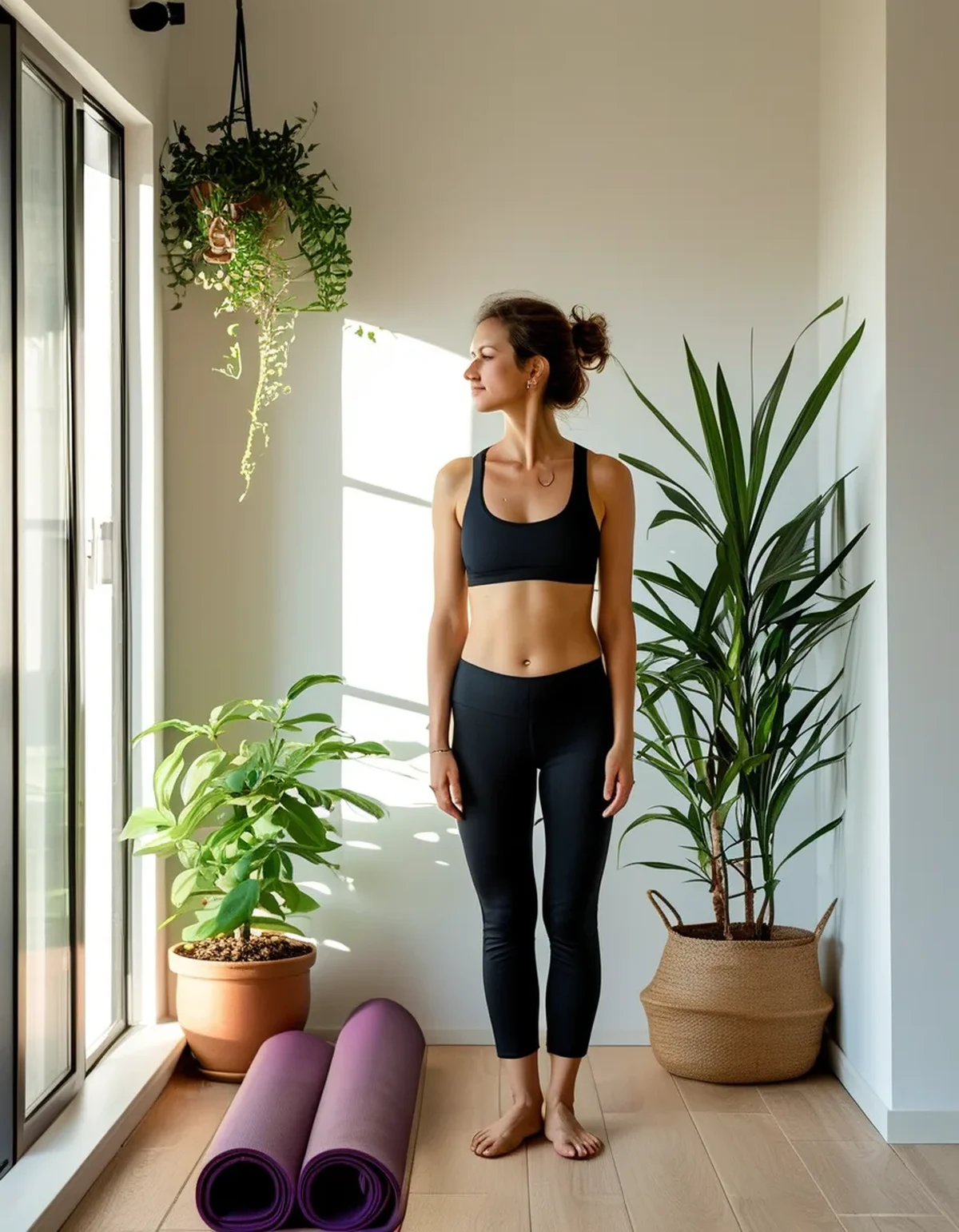
Why does a dedicated yoga space attract clutter so easily?
Because open floor space in a home is genuinely rare, and any clear area tends to become the default landing spot for items without an assigned place — this isn’t a personal failing, it’s a predictable pattern in how households use space.
Unlike furniture, an empty floor space doesn’t visually signal “this is off-limits” the way a couch or table does, making it an easy, low-friction target for temporary (which becomes permanent) storage.
Does the size of the space actually matter?
Less than you’d think — a small, clearly defined space (even just a 3x6 foot mat-sized area) is easier to protect than a larger, vaguely defined “yoga corner” with fuzzy boundaries.
Defining the edges clearly, whether with a rug, tape marks, or furniture placement, gives the space a visual boundary that makes it feel more like a fixture and less like open floor.
What Nobody Tells You About Protecting a Home Practice Space
The moment one item gets left in the space “just for now,” it becomes exponentially easier for the next item to follow — clutter compounds fast once the first exception is made, which is why catching it early matters more than a big periodic cleanup.
Also rarely discussed: a space that’s used daily naturally stays clearer than one used a few times a week, since frequent use creates its own maintenance rhythm — inconsistent use is often as much a cause of clutter as a result of it.
What actually keeps the space protected long-term?
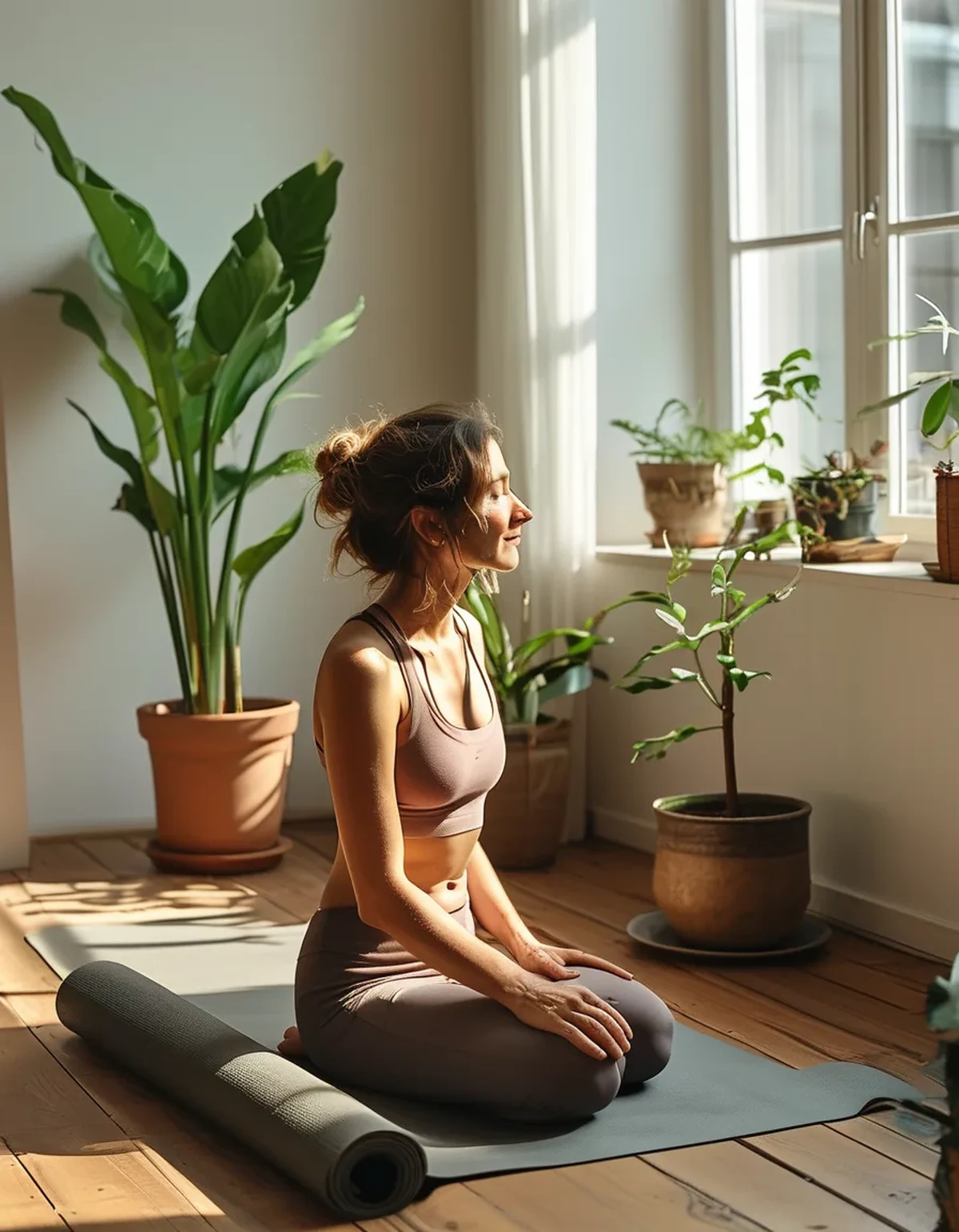
Leaving the mat rolled out and visible, rather than stored away between sessions, both reduces friction to start and visually signals the space is in active use, discouraging others (and yourself) from treating it as available storage.
A quick 30-second daily reset — clearing anything that’s landed there — prevents the slow accumulation that eventually requires a bigger, more discouraging cleanup.
FAQ: Home Yoga Space Questions, Answered
Is it better to have a separate room or just a corner?
A corner works fine and is often more realistic — the key factor is consistent boundaries and use, not the size or separateness of the room.
What if family members keep using the space for other things?
A brief, direct conversation about the space’s purpose, paired with a visual boundary (a mat left out, a small rug), usually resolves this faster than repeated cleanup without addressing the root cause.
Does leaving the mat out actually make a difference?
Yes — a visible, ready mat lowers the effort needed to start a session and signals active use, both of which measurably reduce the odds of the space becoming storage.
TL;DR:
- Open floor space is a natural magnet for clutter unless it has clear boundaries
- A small, clearly defined space is easier to protect than a large, vague one
- Leaving the mat out both reduces friction to start and discourages clutter
- A 30-second daily reset prevents the slow buildup that leads to a full reclaim project
Today, try leaving your mat rolled out instead of put away — see if the space stays clearer just from that one change.
See It in Motion
Seen here: Racerback Tank Top - White — shop similar styles on bubblelime.com
Keep Reading
This article is for general informational and styling purposes only. Fit, sizing, and product availability may vary.