How to Actually Focus During Home Yoga When You Can't Get the Room Alone
Waiting for a fully private, quiet room before starting a home yoga practice means a lot of practices never happen at all. The distraction of people moving around isn’t actually as disruptive as it feels once the practice is adapted to expect it.
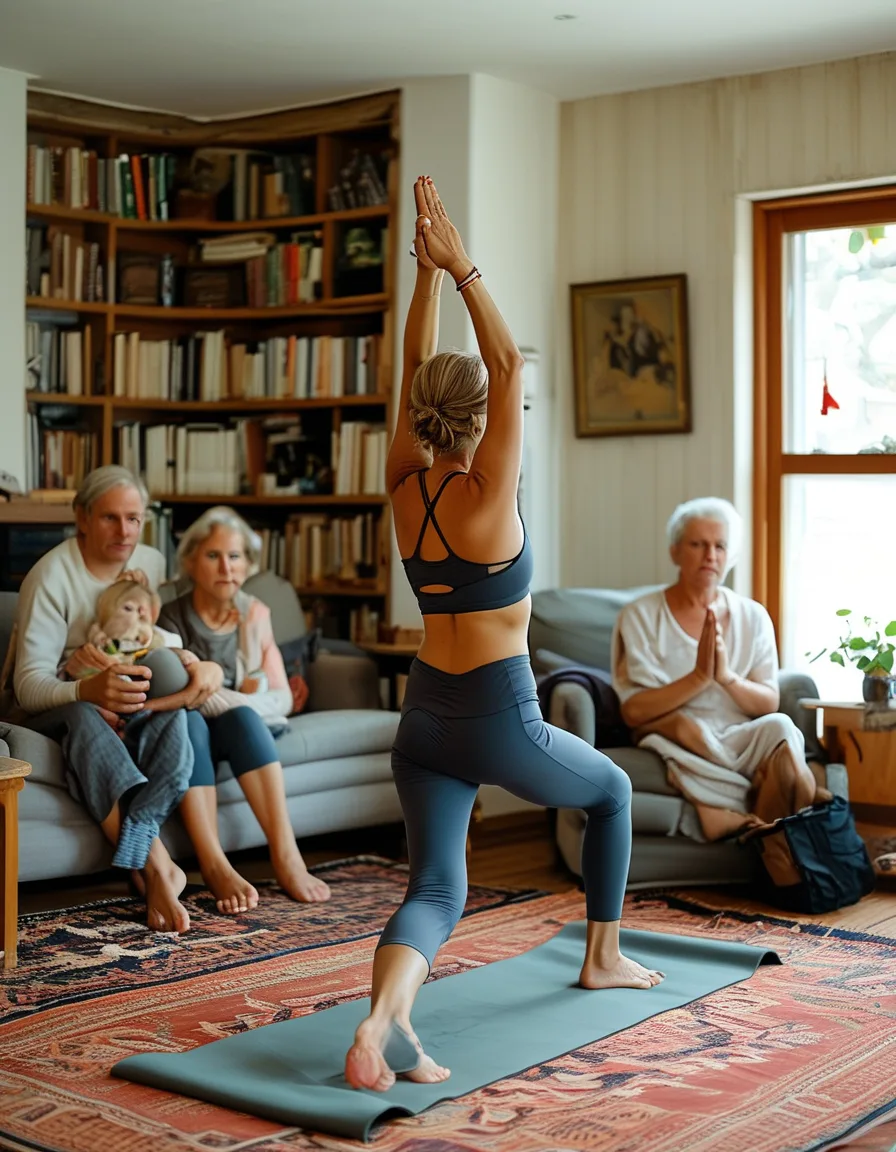
Why It Feels More Disruptive Than It Is
The perception gap: the the-anticipatory-distraction-effect (the anticipation of being interrupted or watched often causing more mental disruption than an actual interruption does, meaning the distraction is partly pre-emptive rather than purely reactive), the the-studio-silence-expectation-mismatch (home practice getting measured against a studio’s controlled silence, an unrealistic standard that sets up disappointment before the practice even starts), the the-self-consciousness-factor (concern about being seen mid-pose by a family member or roommate being a distinct distraction from noise itself, and one that fades notably with repeated practice in the same space).
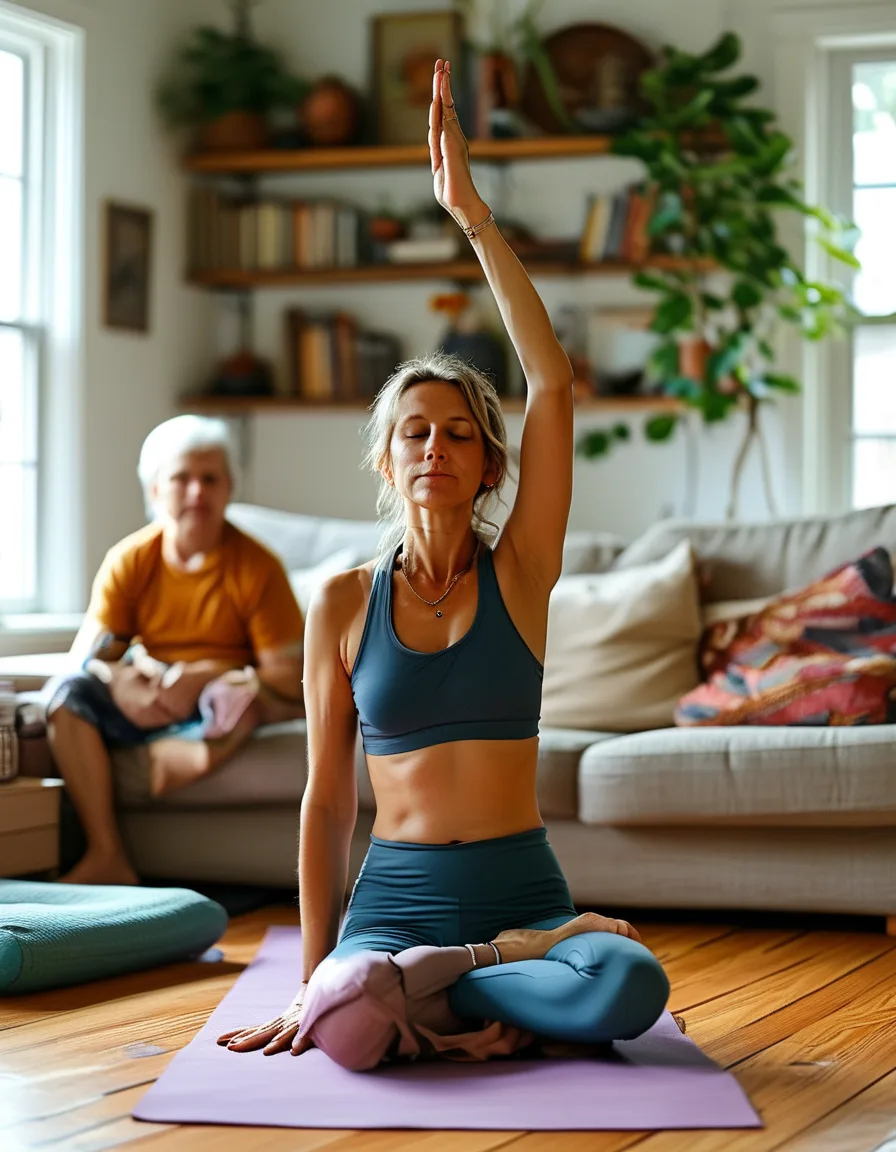
What Actually Helps in a Shared Space
The practical adjustments: the the-corner-or-visual-boundary-trick (positioning a mat in a corner or facing away from the main household traffic path reducing both actual and perceived interruption likelihood, even without a separate room), the the-headphones-for-audio-focus (using headphones for guided practice or music creating an effective audio boundary that filters out household sound without needing physical silence), the the-shorter-practice-adaptation (shifting to shorter, more frequent practice sessions timed around predictable quiet windows in the household rather than holding out for a long uninterrupted block that rarely comes)).
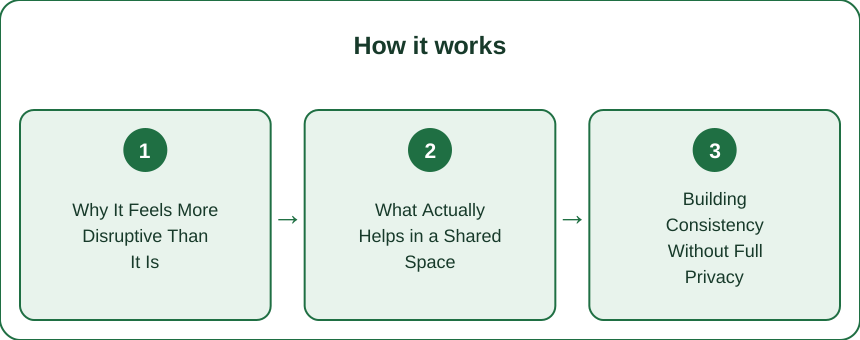
Building Consistency Without Full Privacy
The mindset shift: the the-interruption-tolerant-sequencing (choosing poses and sequences that are easy to pause and resume without losing the flow entirely, which reduces the cost of an actual interruption when one happens), the the-normalize-not-eliminate-goal (treating some background noise or activity as a normal condition of home practice rather than a problem to solve, which reduces the mental energy spent resisting it), and the frame (corner placement, headphones, and shorter sessions timed to real quiet windows beat waiting for a fully private room that may never arrive)).
Waiting for a fully quiet, private room before starting a home yoga practice means a lot of intended practices never happen, but the disruption of people moving around the house is often less than it feels, since much of it is anticipatory — the expectation of being interrupted or seen mid-pose causes more mental disruption than an actual interruption usually does. Positioning a mat in a corner facing away from main household traffic, using headphones for guided practice or music as an audio boundary, and shifting to shorter sessions timed around predictable quiet windows all reduce both the actual and perceived interruption rate without requiring a separate room. Treating some background activity as a normal condition of home practice, rather than a problem to eliminate, also reduces the energy spent resisting it. How to Actually Focus During Home Yoga When You Can’t Get the Room Alone comes down to adapting the practice to the space, not waiting for the space to change.
See It in Motion
Seen here: Super High Waist Embossed Yoga Leggings with Inner Pocket — shop it on bubblelime.com
Keep Reading
This article is for general informational and styling purposes only. Fit, sizing, and product availability may vary.