How to Set Up a Real Yoga Corner in a Small Apartment Without It Taking Over
Quick Answer: A functional yoga corner needs roughly 6x6 feet of clear floor space at minimum, and the key to making it work in a small apartment is vertical storage for the mat and props — a wall hook or narrow standing rack — so the space can double as something else when not in use.
Most small-apartment yoga setups fail not because there’s not enough space, but because the storage plan is an afterthought, so the corner slowly fills with unrelated clutter.
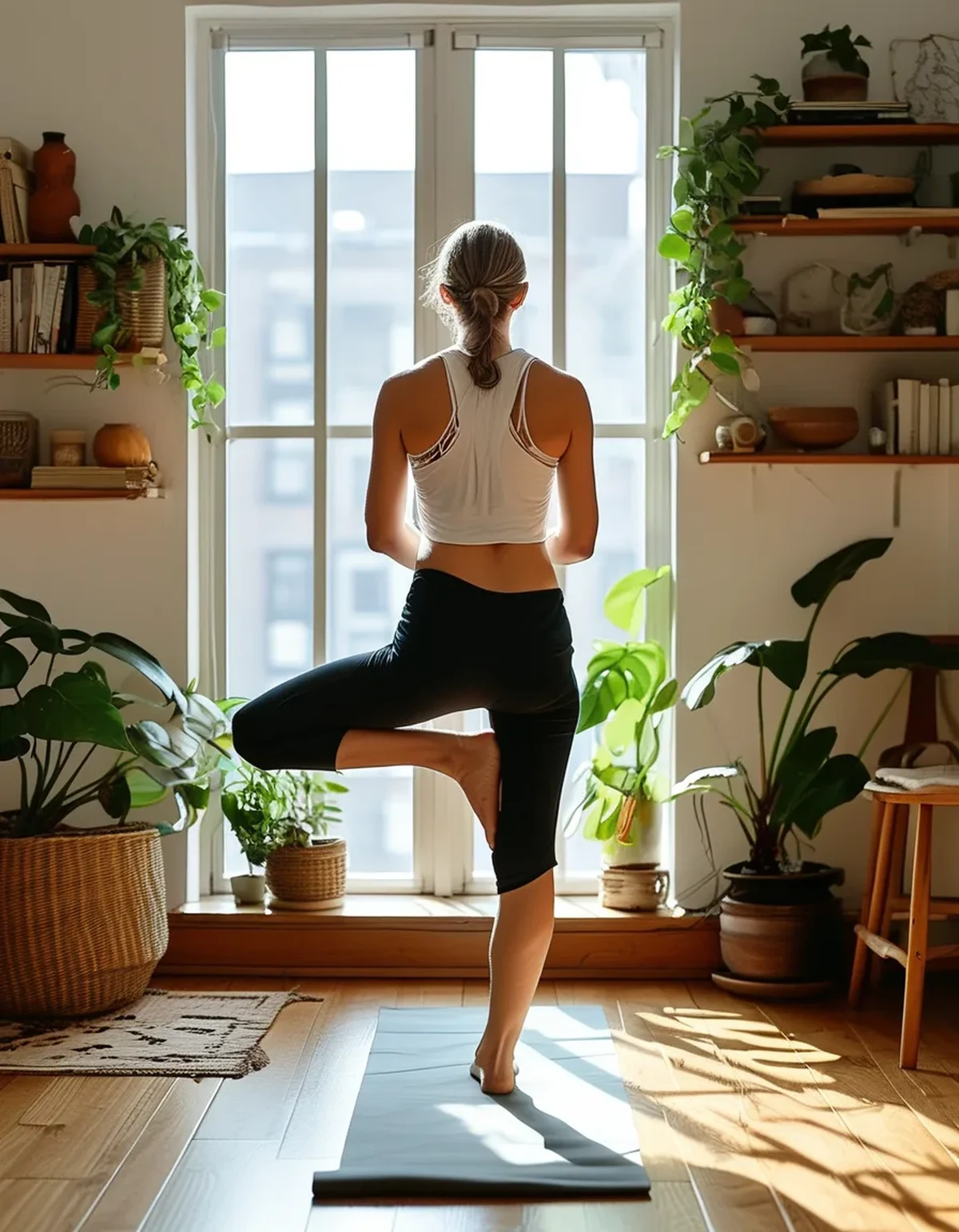
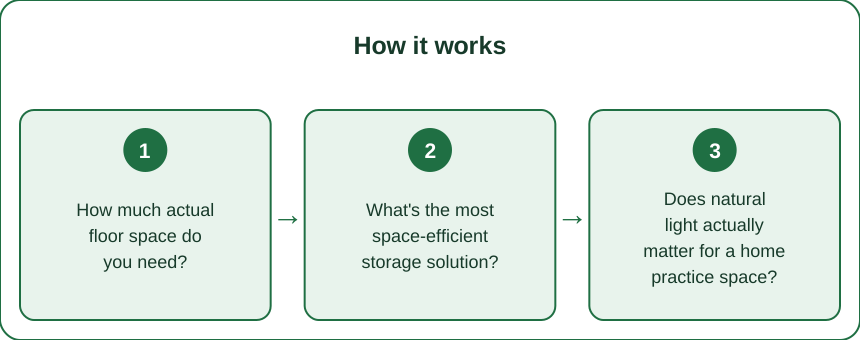
How much actual floor space do you need?
A 6x6 foot area comfortably fits a standard yoga mat with room for basic arm and leg extension in most poses. Smaller apartments can still work with this footprint by choosing a corner that’s genuinely clear during practice time, even if it serves another purpose otherwise.
What’s the most space-efficient storage solution?
A wall-mounted hook or narrow vertical rack for rolling up the mat, blocks, and a strap takes up a fraction of the footprint that a basket or floor bin does, and keeps the corner visually clear when not in active use — which matters a lot for small apartments.
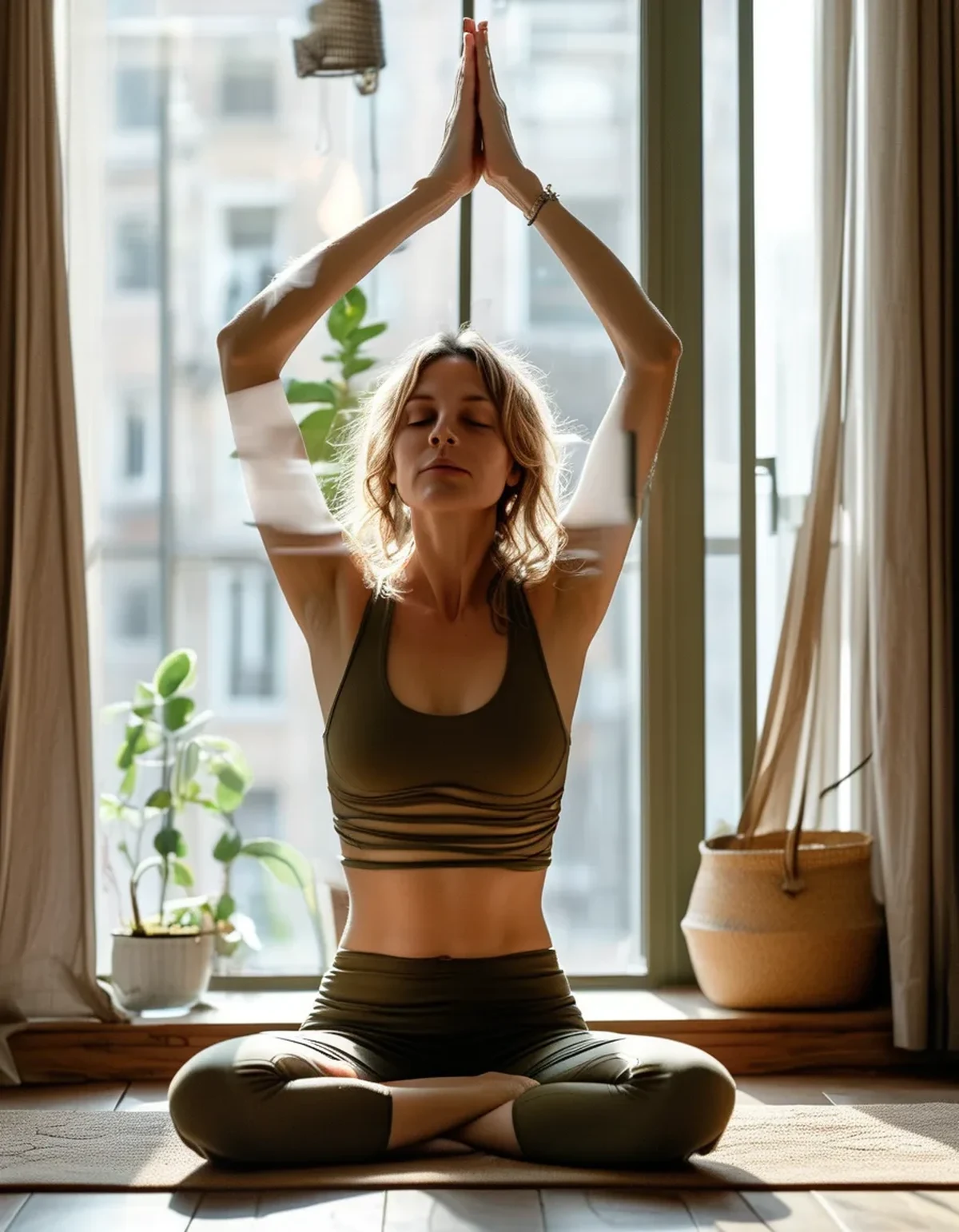
Does natural light actually matter for a home practice space?
It’s not required, but a spot near natural light meaningfully improves consistency for many people, since a bright, pleasant space is simply more inviting to return to daily than a dim corner. If natural light isn’t available, a warm lamp can substitute.
How do you keep the space from becoming general clutter storage?
Designating the corner exclusively for yoga items, with nothing else allowed to live there, is the most effective boundary — once one non-yoga item gets set down there, the space tends to fill up fast. A visible mat, even rolled and stored, acts as a reminder of the space’s purpose.
FAQ: Small Apartment Yoga Corner Setup, Answered
Do you need a permanent, dedicated space, or can it be temporary each time?
Either works — some people prefer a corner that’s always set up and visible as a consistent reminder, while others prefer rolling out a mat fresh each session in a multi-purpose space. Consistency of practice matters more than which approach you choose.
What flooring works best under a yoga mat in an apartment?
Most standard flooring (hardwood, laminate, low-pile carpet) works fine under a quality mat — the mat itself provides the necessary grip and cushioning regardless of the surface underneath.
Is it worth adding a mirror to a small home yoga space?
It can help with form-checking, especially for beginners, but it’s not essential — a mirror also visually opens up a small space, which is a secondary benefit worth considering if space feels cramped.
TL;DR:
- A 6x6 foot clear area is enough for a functional yoga practice space
- Vertical wall storage keeps the footprint minimal when not in use
- Natural light isn’t required but tends to improve practice consistency
- Keep the corner strictly for yoga items to prevent it from becoming general clutter storage
Pick a corner this week and set the boundary early — before anything unrelated gets a chance to move in.
See It in Motion
Seen here: Round Neck Long Sleeve Athletic T-Shirt — shop it on bubblelime.com
Keep Reading
This article is for general informational and styling purposes only. Fit, sizing, and product availability may vary.