Why the Yoga Corner You Set Up With So Much Care Stops Getting Used By Week Three
Quick Answer: Home yoga corners typically lose momentum around week 2-3 not because of motivation loss but because the space slowly gets used for other things (laundry, storage, phone calls) once it’s not actively occupied — protecting the space’s single purpose, even in a small apartment, matters more than how nicely it was originally set up.
The corner wasn’t abandoned all at once. It happened one folded laundry pile and one “just for a minute” phone call at a time.
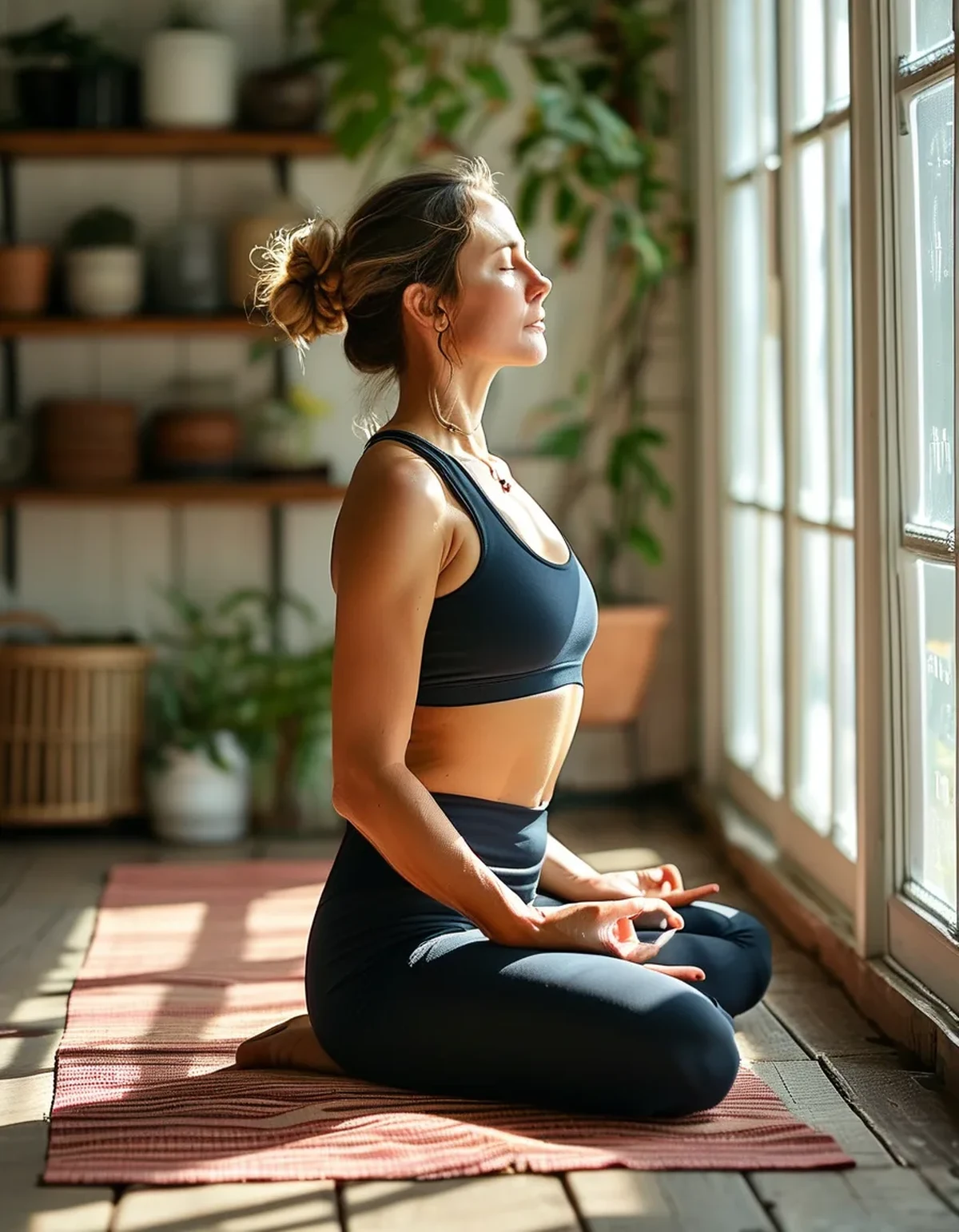
Why does this specific pattern — slow encroachment, not sudden abandonment — happen so consistently?
Empty, unused space in a home is functionally an invitation for whatever nearby task needs somewhere to go — a laundry basket, a stack of mail, a chair moved in from another room. Since the yoga corner isn’t occupied most hours of most days, it’s structurally the easiest space in the home to slowly repurpose without a conscious decision ever being made to do so.
Does keeping the mat rolled out (versus put away) actually change usage rates?
Often yes — a rolled-out, visible mat maintains the space’s identity more effectively than a folded, stored mat, since a visible mat signals “this space has a purpose” to anyone (including the practitioner) walking by, making it harder for other items to casually accumulate there.
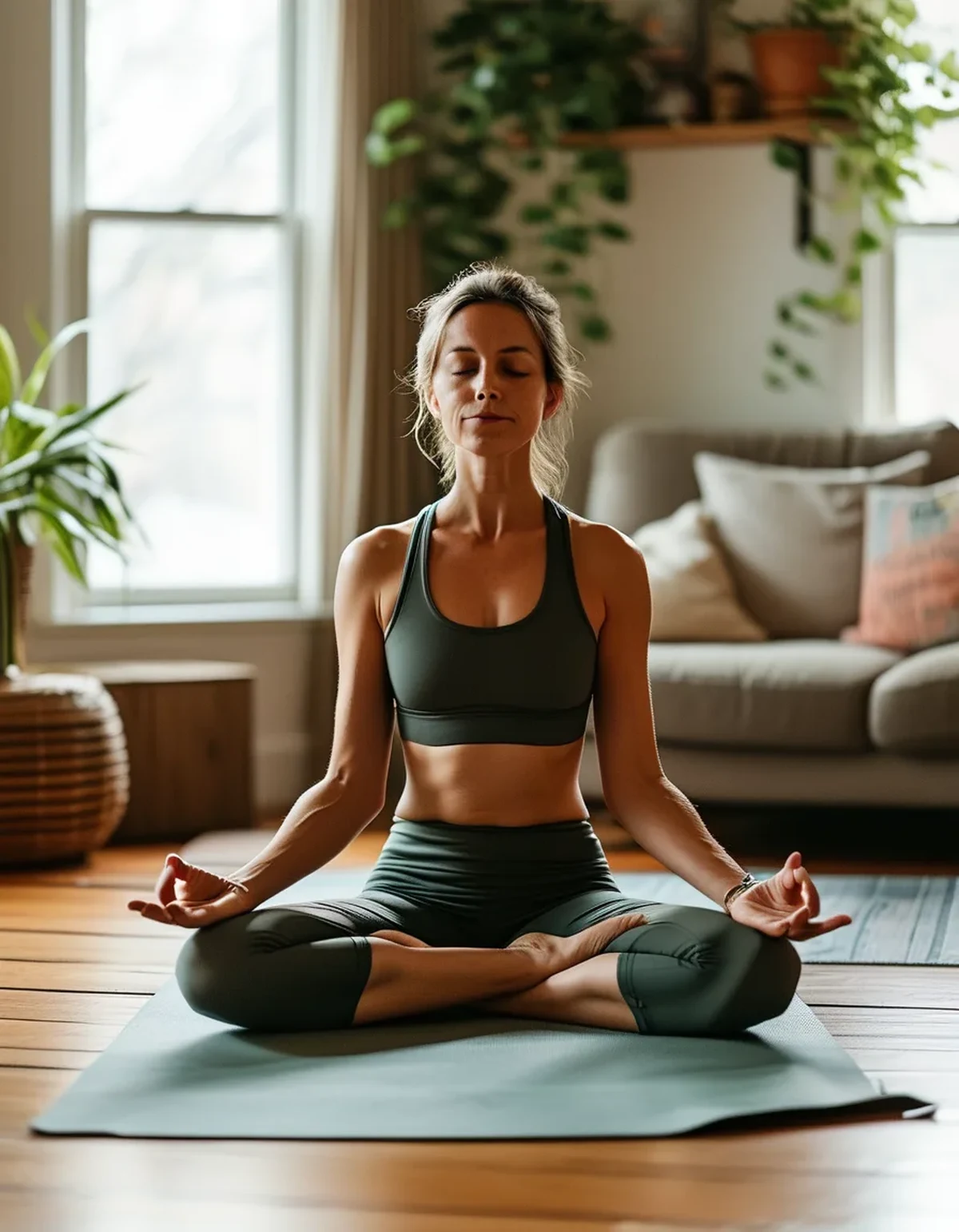
What Nobody Tells You About Small-Space Yoga Corners
The corner doesn’t need to be large or elaborate to hold its purpose — a surprisingly small, clearly defined footprint (even just the size of a mat) defended consistently works better long-term than a larger, more elaborate setup that gradually gets treated as flexible, general-purpose space.
Does time-of-day placement affect how well the corner survives?
Yes — a corner in a high-traffic, multi-use area (like a living room that doubles as a home office) is more vulnerable to slow encroachment than one in a quieter, single-purpose area, simply because more competing needs pass through it during the day.
FAQ: Keeping a Home Yoga Corner in Use, Answered
How often should the corner be “rearranged” to keep it feeling fresh?
Frequent rearranging can backfire — a stable, consistent setup that’s simply used regularly tends to build the space’s identity better than novelty.
Does lighting really affect whether the corner gets used?
Yes — natural light or a dedicated warm lamp measurably improves the appeal of stepping into the space compared to dim, borrowed lighting from elsewhere in the room.
Is a small apartment a real obstacle to keeping a functional yoga corner?
Not inherently — a clearly defended, mat-sized footprint works in most apartments; the challenge is usually protecting that footprint’s single purpose, not finding the square footage itself.
TL;DR:
- Yoga corners get slowly repurposed for other tasks, not abruptly abandoned
- A rolled-out, visible mat maintains the space’s identity better than a stored one
- A small, clearly defended footprint works better long-term than a larger, flexible one
- High-traffic multi-use rooms are more vulnerable to encroachment than quieter spaces
The corner doesn’t need to be bigger or nicer to survive — it needs to stay visibly, consistently claimed.
See It in Motion
Seen here: High Waist Bootcut Yoga Pants — shop it on bubblelime.com
Keep Reading
This article is for general informational and styling purposes only. Fit, sizing, and product availability may vary.